
I'm a cosmetic chemist. Stop blaming 'pore-clogging' ingredients. Here's what really clogs skin, and how to clear it.
A biochemist's look at what really triggers clogged pores: sebum, dead skin, and formula behaviour, plus the evidence-based routine that keeps them clear.

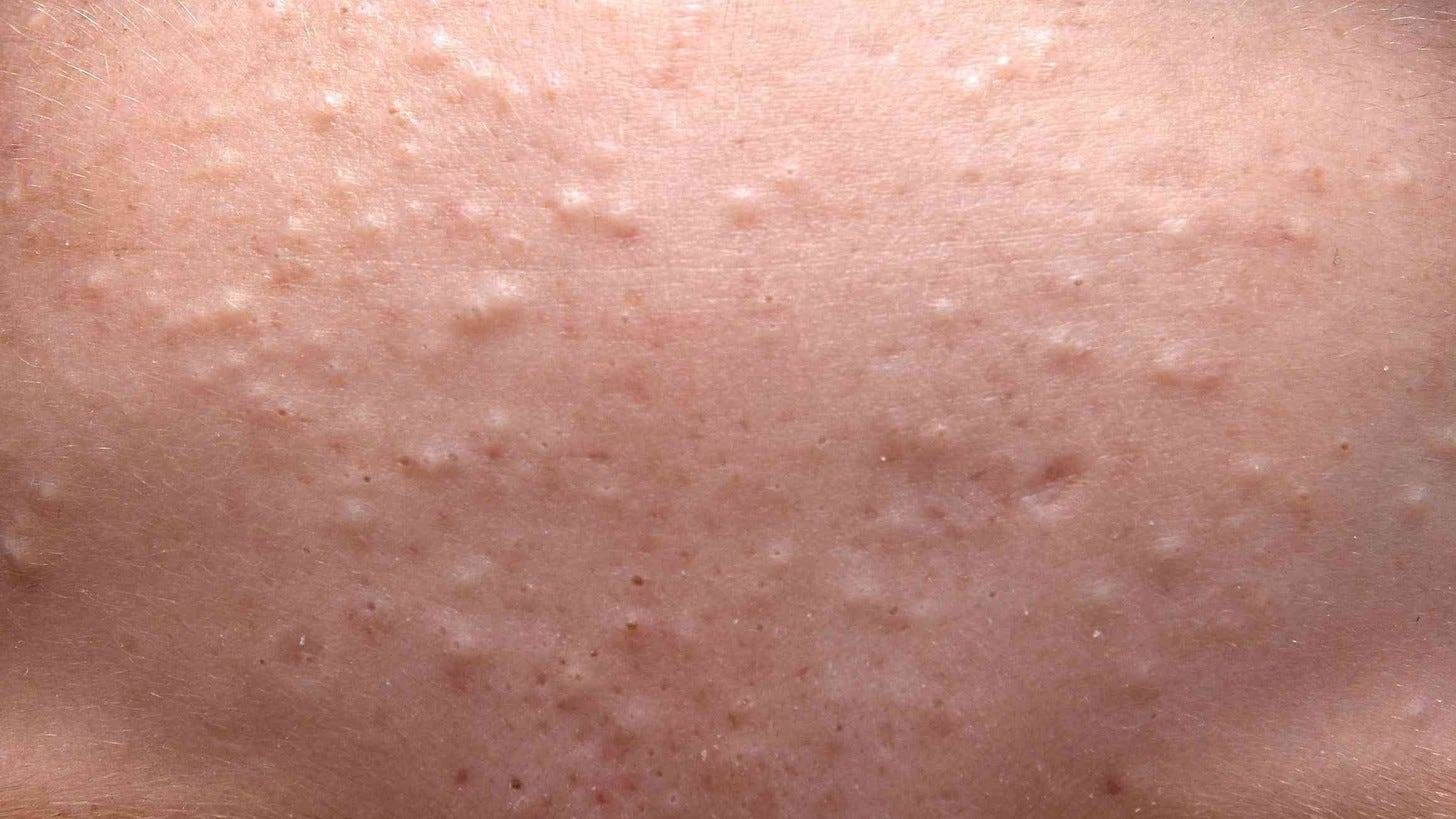
If you’re reading this, you’ve probably spent more time than you’d like to admit cross-referencing INCI lists against a “comedogenic ratings” chart on Google. You found out coconut oil is a 4. Isopropyl myristate is a 5. Cocoa butter is a 4. You’ve quietly thrown out half your bathroom cabinet and started buying skincare based on a number next to an ingredient name.
And your skin is still clogging…
Here’s the problem: the comedogenic scale does NOT tell you anything useful about whether a real product will clog your skin. It was developed in the 1970s and 80s on rabbit ears. With undiluted ingredients. Under occlusion. Albert Kligman, the dermatologist who built it, later wrote that the test was “overly sensitive” and produced “false positives” that should not be applied to finished cosmetic formulations.
The man who built the scale told us to stop using the scale. Ironic, isn’t it?
But that’s only half of it. The bigger problem is that your clogging isn’t caused by what you put on your skin nearly as much as it’s caused by what your skin is already doing. Sebum composition. Follicular keratinisation. Squalene oxidation. The strain of bacteria that’s dominant in your pores. The pH of your skin surface. These are the variables that matter, and almost none of them are addressed by avoiding a “5” ingredient.
So let me give you what actually works first, and then explain the science afterwards.
Let’s get into it.
The protocol: what actually clears congestion
Clog-prone skin has multiple things going wrong at once:
Sebum composition shifts. The sebocyte ramps up endogenous lipid synthesis. More squalene, more sapienate, more sebaleate, while the linoleic acid coming in from the bloodstream doesn’t scale up with it. The follicle ends up bathed in sebum that is relatively linoleate-poor and squalene-rich, which triggers a local essential-fatty-acid-deficient state and follicular hyperkeratinisation (Downing et al. 1986; Stewart et al. 1986)
The keratinocytes lining the follicle are dividing too quickly and sticking together instead of shedding (the actual physical plug)
Squalene in the sebum is oxidising into squalene peroxides, which are themselves comedogenic and pro-inflammatory (Chiba et al. 2000; Ottaviani et al. 2006)
The skin surface pH is elevated, which destabilises the barrier enzymes that make ceramides and disrupts orderly desquamation (Elias 2017)
The skin is often dehydrated, which compounds all of the above (Yamamoto et al. 1995)
The bacterial population in the follicle has shifted to more pathogenic strains of *C. acnes*, which form biofilms inside closed comedones (Fitz-Gibbon et al. 2013; Loss et al. 2021).
No single ingredient addresses all of that. You need a few well-chosen ones doing different jobs at once.
1. Switch to a low-pH cleanser.
This is the single highest-impact change you can make.
Our skin’s surface pH sits somewhere between 4.5 and 5.5. That mildly acidic environment isn’t decorative. It’s what keeps your ceramide-generating enzymes working, what keeps your desquamation proteases in check, and what keeps your microbiome balanced toward commensal strains rather than pathogenic ones.
The good news: almost nobody is washing with alkaline soap bars anymore. ( thank God ) Modern cleansers are nearly all syndets (synthetic detergents), and they sit anywhere between pH 3.6 and 6.5. The bad news: that range is huge, and where your cleanser falls within it matters more than you’d think. A pH 6.5 cleanser will still nudge your skin surface pH upward; a pH 4.5–5.5 cleanser sits in the comfort zone of your acid mantle.
We’ve actually had evidence for this since the 1990s. Korting et al. (1995) ran a three-month randomised trial in 120 acne-prone adolescents and young adults, washing twice daily with either an alkaline soap (pH 8) or an acidic syndet bar (pH 5.5). The soap group’s inflammatory lesion count went UP from 14.6 to 15.3. The syndet group’s went DOWN from 13.4 to 10.4.
Forty percent of the soap group developed irritation. One point eight percent of the syndet group did. ( Read those numbers again ). Same patients. Same skin. Only the pH of the cleanser changed.
That study’s specific soap-vs-syndet framing is now historical, but the mechanism it demonstrated (acidic cleansing protects the acid mantle and reduces inflammatory lesions) maps directly onto today’s syndet-vs-syndet question of which cleanser to choose.
Look for a cleanser labelled around pH 4.5–5.5. Most brands will tell you, and if they don’t, that’s a small signal in itself. Avoid the higher end of the syndet range (pH 6+) if you can, and stay away from anything that genuinely strips.
If your face feels “squeaky clean” after washing, that’s not cleanliness, that’s barrier disruption. Here is a list of cleansers I have vetted.
And while we’re on choosing products: irritation is the enemy, not ingredient count.
This is a good place to talk about formulation, because everything you put on your face from here on out is a leave-on product, and clog-prone skin is more reactive than you think.
You’ll have seen the “less is more” / “short INCI = safer” / “minimal ingredients” rhetoric all over TikTok. I want to gently reframe that, because the actual evidence-based principle isn’t fewer ingredients. It’s fewer irritants.
A 5-ingredient “minimalist” serum that has a fair share of essential oils can be far harsher than a 25-ingredient formula built around niacinamide, glycerin, panthenol, and a well-designed surfactant system. INCI length is a marketing aesthetic. It’s not a clinical metric.
What actually matters, and why it matters more for clog-prone skin specifically: this skin type has a measurably impaired barrier (Yamamoto 1995): reduced ceramides, higher TEWL, more reactive to irritants. And irritation isn’t just a comfort issue. It drives inflammation, which drives follicular hyperkeratinisation, which drives more clogs. Every irritant reaction is, in a small way, a comedogenic event.
So the irritation-minimised principles for clog-prone skin are:
Avoid added fragrance/parfum. Fragrance is the leading cause of allergic contact dermatitis from cosmetics (Larsen 1985), the classic primary reference on this, with the finding repeatedly confirmed in modern North American Contact Dermatitis Group data. “Unscented” can still contain masking fragrance. Look for “fragrance-free” specifically.
Avoid essential oils on leave-on products, especially if you’ve noticed that your skin reacts negatively to it. Tea tree (above ~5%), lavender, peppermint, citrus oils, ylang ylang, eucalyptus, these are fragrance compounds dressed up as actives, and many contain limonene and linalool, which are documented sensitisers. Tea tree at 5% has data on acne (Bassett 1990), but most products that include it use it as a scent at much lower or much higher concentrations.
Be cautious with Compositae-family botanicals.Chamomile, calendula/marigold, arnica, yarrow, echinacea. Corazza et al. (2009) found these among the most commonly reported reaction triggers in topical herbal product users: 6.22% of 400 dermatology outpatients reported one or more adverse cutaneous reactions from natural topical products, with marigold, chamomile and arnica named most often. Not poison, just over-represented in patch-test clinics.
Avoid denatured alcohol high on the INCI (alcohol denat. in the first 4–5 ingredients). If you follow me, you know I am not against alcohol, but for compromised skin, like that, it can be drying, barrier-disrupting, and trigger compensatory sebum production, which is the opposite of what you want.
Botanicals with actual evidence for tolerance and benefit are fine.
Centella asiatica/madecassoside, oat (avenanthramides), green tea polyphenols, allantoin (from comfrey). These have decent data, and there’s no reason to exclude them.
From a formulator’s perspective, 'Centella asiatica extract” on INCI can vary based on the supplier, extraction method, plant part, and standardisation to active markers like asiaticoside or madecassoside. Two products with the same botanical in INCI can have different activities and impurity profiles because botanicals carry residues from soil and growth conditions.
It’s the same principle as the comedogenic-scale critique: ingredient identity on a label doesn’t tell you what’s actually in the product.
The category this principle hits hardest is toners. Toner has moved on a lot since the 1990s witch-hazel-and-alcohol era. Most of what’s marketed now is the opposite, with exfoliating-acid toners, essence-style hydrating toners, and fermented or peptide-based ones dominating shelves.
The reframe for clog-prone skin: most acne-marketed toners are either duplicating what your cleanser, retinoid, or BHA is already doing (acid toners) or layering in extras you don’t need (long botanical lists, fragrance). If you want to use a toner, choose a humectant one (glycerin, panthenol, beta-glucan) or skip the step entirely. There is no clinical need for an “acne toner” as a separate routine step.
That said, a well-formulated hydrating toner with standardised, evidence-based ingredients can genuinely help if your skin is dehydrated. Patted on in several thin layers (the “7-skin” method, used with restraint), it’s a low-irritation way to replenish stratum corneum water content without overwhelming the skin with a heavy cream. This is the same principle as the thin-layers-of-hydration approach we’ll get to later in the protocol, and on clog-prone skin, several thin coats of a humectant essence will almost always behave better than one thick occlusive layer.
Same lens applies to leave-on masks, “calming mists,” and anything sold on a “purifying” or “detoxifying” claim with a long plant-extract list. Beautiful packaging, often, but on clog-prone skin you’re spending your tolerance budget on ingredients without evidence.
The shortcut: judge formulas by the identity of what’s in them, not the length of the list.
2. Add a topical retinoid.
Retinoids are the only well-evidenced ingredient class that directly normalises follicular keratinisation (Thiboutot 2000). They don’t dry the skin out, they don’t strip sebum, they don’t “shrink” your pores. They tell your follicular keratinocytes to differentiate properly, shed on time, and stop forming the congestion that becomes comedones.
Adapalene 0.1% is the gold standard for comedones. It’s a third-generation retinoid that’s more photostable and better-tolerated than tretinoin, with comparable efficacy to tretinoin 0.025% in head-to-head trials. (Tretinoin 0.05% gel is somewhat stronger for comedones in split-face studies, but the trade-off is more irritation, and for most clog-prone skin, adapalene’s tolerability profile wins.)
In the UK, the 0.1% strength is now available through online pharmacies like Boots Online Doctor and LloydsPharmacy. You still fill in a short consultation form, but you don’t need a GP appointment. The 0.3% strength is still prescription-only. In the US it’s been fully OTC since 2016.
If you can’t access adapalene, retinaldehyde 0.05–0.1% is your next-best option. It’s one enzymatic step away from retinoic acid, well-tolerated, and supported by good clinical data. Retinol 0.3–1% is the cosmetic standby; it works, just more slowly.
Start two to three nights per week, build up to nightly over six to eight weeks. Use a pea-sized amount on dry skin. Layer a humectant serum first (ectoine 2-5% helps mitigate side effects) and a light moisturiser after if you need to buffer (the “sandwich” method). Do not skip moisturiser to “let it work harder”, that’s just irritation, not efficacy.
3. Add a comedolytic acid two to three times per week.
Two options worth using, and they do slightly different things.
Salicylic acid (BHA) at 0.5–2% is lipophilic, meaning it travels through sebum into the hair follicle. It’s gently desmolytic, it loosens the cohesion between keratinocytes inside the pore, which is precisely what clog-prone skin needs (Arif 2015). In a randomised controlled trial (NilFroushzadeh et al. 2009), salicylic acid combined with clindamycin performed comparably to tretinoin combined with clindamycin over 12 weeks. That’s a strong showing.
Mandelic acid (5–10%) is the AHA most appropriate for clog-prone skin. It’s larger and more lipophilic than glycolic, so it penetrates more slowly and tolerates better. The Garg et al. 2009 comparison found salicylic-mandelic peels matched or outperformed glycolic peels for active acne and post-acne pigmentation in skin of colour.
Use one or the other, either on the nights you’re not using your retinoid or in the morning. Don’t stack acids on top of retinoids on the same night unless you’ve been doing this for years and you know your skin.
4. Add azelaic acid if you can.
Azelaic acid is genuinely multi-mechanism: keratolytic, anti-inflammatory, anti-bacterial against C. acnes, antioxidant, and tyrosinase-inhibiting (so it also fades post-acne pigmentation). The Schulte/Wu/Rosen 2015 review (J Drugs Dermatol) is the cleanest summary if you want to dig in, and notably, no resistant C. acnes strains have ever been identified in vitro or in vivo, which is rare among antibacterial actives. Prescription-strength gel is 15% and cream is 20%. Cosmetic concentrations are typically 10%.
Here’s the chemistry you need to know: azelaic acid is poorly water-soluble, so the concentration on the label only matters if the formulator has actually got it into solution. A “20%” cream where most of the AzA is sitting as crystals is doing very little. A 10% product that’s fully solubilised in a lipid–glycol system can outperform it. So judge by texture (clear or translucent is a good sign; gritty or chalky is not), feel on the skin, and your own results, not just the percentage on the front.
This is not the same thing as “azelaic acid derivatives” like potassium azeloyl diglycinate. Those are different molecules with much weaker evidence.
5. Use linoleic acid directly.
This is the most under-discussed intervention for clog-prone skin, and the one that connects all the way down to the biochemistry.
In 1998, Letawe, Boone and Piérard ran a double-blind placebo-controlled crossover study (Letawe et al. 1998) where they applied topical linoleic acid to one side of patients faces and placebo to the other. After one month, the linoleic-acid-treated side showed a 25% reduction in microcomedone size as measured by cyanoacrylate follicular biopsies. The placebo side didn’t change.
You don’t need a “linoleic acid serum.” (Although if you have one, it's great, you won’t need to do the following.) You need an oil that’s genuinely high in linoleic acid: safflower (high-linoleic variety), sunflower (high-linoleic), grapeseed, rosehip, evening primrose, hemp seed. One to three drops mixed into your moisturiser at night (don’t add it to the jar), two to three times a week. Or applied directly as the last step.
Yes, an oil. On clog-prone skin. The comedogenic chart will tell you not to. The chart is wrong about this. (We’ll get to why in the science section.)
6. Hydrate. In thin layers.
This is the part everyone with oily, clog-prone skin gets wrong. They strip. They use astringent toners. They skip moisturiser. They wonder why their skin is producing more oil and clogging more.
Clog-prone skin has measurably impaired water-barrier function. Yamamoto et al. 1995 showed acne patients had higher TEWL and reduced ceramides, particularly ceramide 1, in the stratum corneum, and concluded that this barrier dysfunction was likely contributing to follicular hyperkeratinisation. Not the other way around.
So you need hydration. You just don’t need heavy occlusive cream layered thick on top. The fix is thin layers of humectants:
- Glycerin 3–10%
- Hyaluronic acid (low and high molecular weight)
- Panthenol 1–5%
- Beta-glucan
- Urea 5%
-Ectoine 1-5%
Apply on dry or damp skin (your preference), press in, and seal with a lightweight gel-cream or fluid moisturiser. If you need more cushioning, layer two thin coats rather than one thick one. The goal is water in the stratum corneum, not a heavy lipid film on top of the pores.
If you need recommendations for lightweight moisturisers, you can find them here.
A note on niacinamide while we’re here.
Niacinamide at 4–5% is worth using as part of this hydration/barrier step, but I want to be honest about what it’s doing and what it isn’t.
It’s not comedolytic. It doesn’t normalise follicular keratinisation, it doesn’t correct your sebum composition, and it doesn’t dissolve plugs. What it does do is genuinely support the barrier.
Tanno et al. 2000 showed nicotinamide increased ceramide biosynthesis 4–5-fold in cultured keratinocytes by upregulating serine palmitoyltransferase (the rate-limiting enzyme), and topical application decreased TEWL in dry skin.
It’s also well-evidenced for inflammatory acne specifically. Shalita (1995) and Khodaeiani (2013) both showed topical nicotinamide performing comparably to topical clindamycin for papules and pustules.
And there’s modest sebum-modulation data. Draelos et al. (2006) found 2% niacinamide significantly reduced sebum excretion rate in their Japanese cohort after four weeks, while the Caucasian cohort showed only reduced surface oil (not reduced actual production), so the sebum effect appears partly ethnicity-dependent.
So it earns a place in the routine for barrier and inflammatory-lesion support, just don’t expect it to do the comedo work the retinoid, BHA, and azelaic acid are doing. Apply to damp or dry skin in the morning.
7. Sunscreen, every morning, without exception.
Without it, you may even throw in the towel, and I’m not even being dramatic.
UV is what oxidises your squalene. Squalene peroxides (oxidised sebum) are independently comedogenic and pro-inflammatory (we’ll get to this). Sunscreen isn’t just for pigmentation and ageing. For clog-prone skin, it’s a direct comedo-prevention step.
A modern lightweight chemical or hybrid SPF 30+ ( or 50+, even better ) that you’ll actually wear is better than a heavy mineral one that you skip.
Don’t overthink this. Just use it!
The daily routine
Morning:
1. Low-pH cleanser (or just water, also acceptable)
2. Hydrating serum on damp or dry skin
3. Lightweight moisturiser with glycerin, panthenol, ceramides
4. SPF 30+/50+
Evening:
1. Low-pH cleanser (double cleanse with a lightweight oil or balm first if you prefer)
2. Active rotation:
- 3 nights/week: retinoid (adapalene > retinaldehyde > retinol). It’s starting point, you would want to progress to all 7 days a week overtime.
- 2-3 nights/week: salicylic acid 2% or mandelic acid 5–10%. Once you use adapalene nightly, you can move this step to your morning routine before your humectant serum. Another option is to use salicylic acid 2 nights/week and 1 might/week mandelic acid.
Azelaic acid (azelaic can be nightly once tolerated)
4. Humectant serum + lightweight moisturiser
5. 1–3 drops of high-linoleate oil mixed into your moisturiser ( please do not add oil directly to the entire jar. )
Introduce one active at a time. Give each four to six weeks before judging it. Most clog-prone skin needs eight to twelve weeks on a proper retinoid before microcomedones start visibly shrinking.
A realistic timeline
Weeks 1–4: skin pH stabilises. You’ll feel less tight after cleansing. Some initial purging if you’ve just started a retinoid (this is real and self-limiting. It’s existing microcomedones being pushed to the surface).
Weeks 4–8: texture starts to smooth. Closed comedones reduce. Skin feels more comfortable, less reactive.
Weeks 8–12: visible reduction in blackheads, congestion, and overall bumpiness. Skin tone evens out.
Months 3–6: the deeper picture changes. Microcomedone formation slows down. Pores look smaller because they’re no longer filled. This is the durable result, and it requires consistency.
Stopping any of this will not undo your progress overnight, but stopping the retinoid will eventually reverse it. Think of it as ongoing maintenance rather than a course of treatment.
What won’t work (despite what TikTok is telling you)
Charcoal masks and cleansers. Activated charcoal is brilliantly adsorbent in a beaker, but on your face it sits on the surface, gets rinsed off, and pulls precisely nothing out of your follicles. No peer-reviewed evidence it reduces comedone count. It’s a colourant with marketing attached. (Sorry.)
Clay masks. Clay temporarily absorbs surface sebum and gives you that satisfying matte-skin moment for about six hours. It does not unclog pores. It has no comedolytic mechanism. As an occasional sensory ritual, fine. As a strategy for clog-prone skin, no.
Pore strips. ( in case we haven’t finished with them yet ) They rip out a mix of sebaceous filaments (which are not comedones. They’re a normal feature of every pore on your face and they refill within days), some stratum corneum, and a few vellus hairs. Repeated use disrupts the barrier and acid mantle. There is no clinical evidence they reduce pore size or comedone count. Stop using them.
”Oil cleansing” as a clog treatment. Cleansing oils are good at what they’re designed to do: dissolving surface sebum, sunscreen, and makeup during a 30–60 second cleanse. That’s a legitimate first step in a double-cleanse routine, and I recommend exactly that elsewhere in this article.
What they don’t do is “draw out” the contents of clogged pores, or dissolve comedones through the like-dissolves-like principle. A microcomedone is held together by retained corneodesmosomes and abnormal keratinocyte cohesion. That’s a protein/cell adhesion problem, not a lipid problem you can dissolve away in a minute of cleansing. And those “oily threads” people squeeze out after oil cleansing on TikTok? Mostly sebaceous filaments: a normal, healthy feature of every sebum-producing follicle that refills within about 30 days regardless of what you do. They’re not pathological. They’re not comedones. Use cleansing oils for what they’re for. Don’t use them as a clog treatment.
Stacking exfoliating-acid toners on top of your actives. The modern toner aisle has swung the other way. Glycolic, lactic, mandelic, and salicylic acid toners are everywhere now. The trap is using one in addition to your retinoid and BHA serum, on the assumption that more exfoliation equals more results. It doesn’t. It equals a stripped barrier, compensatory sebum production, and (paradoxically) more clogs. If you want an acid toner, it replaces your BHA night. It doesn’t sit on top of it.
Manual extraction at home, repeatedly. Once in a while, sure. But compulsive squeezing damages follicular walls, creates new inflammation, drives more comedone formation, and risks scarring.
Mechanical exfoliating brushes and scrubs with sharp particles. Barrier disruption masquerading as exfoliation. Use chemical exfoliants instead.
The science: why this happens
Now the why. I’m going to take you through this in the order it actually unfolds inside the follicle, because once you see it, the protocol stops looking like a list of products and starts looking like a sequence of biochemical interventions.
- Your pore is not a hole. It’s a pilosebaceous unit.
What we call a “pore” is the surface opening of a pilosebaceous unit, a hair follicle with one or more sebaceous glands attached to it. The upper part of the follicle, just below the surface, is called the infundibulum.
The infundibulum is lined with keratinocytes that normally divide, mature, and shed silently into sebum. Sebum is a holocrine secretion, meaning the whole sebocyte disintegrates to release its contents, and it’s a specific mixture of triglycerides, wax esters, squalene (a lipid found only in human sebum on the skin’s surface), and small amounts of cholesterol and free fatty acids (Pappas 2009).
A microcomedone, the earliest, invisible-to-the-eye precursor of every visible comedone, forms when the keratinocytes inside the infundibulum start dividing too quickly, fail to shed properly, and clump together with retained corneodesmosomes. ("glue" and "rivets").
The plug expands, the follicle dilates, sebum builds up behind it, and you get either a blackhead (oxidised contents at the open surface) or a whitehead (closed at the surface, contents underneath).
The question is: why do the keratinocytes start misbehaving? And here’s where the most interesting biochemistry sits.
- The linoleic acid dilution hypothesis, and why sebum composition matters more than sebum quantity
This is the most logical explanation we have for why high-sebum follicles clog, and it’s the framework that connects most of the rest of the protocol. It’s also more nuanced than the version you usually see online (”oily skin = clogged skin”). The real story is about what’s in the sebum, not just how much there is.
Linoleic acid is an essential fatty acid. Your body can’t make it, you have to get it from the diet, and it arrives at the skin via the bloodstream. In healthy skin it ends up incorporated into ceramides and into sebaceous wax esters. Crucially, it’s required for normal barrier function inside the follicular epithelium.
Here’s what Downing, Stewart, Wertz and Strauss proposed in 1986 (Downing et al. 1986). Each sebocyte starts with a fixed amount of linoleic acid, whatever it managed to take up from blood. As the cell differentiates, it then synthesises a large amount of endogenous lipid: squalene (the human-sebum-specific lipid), sapienate (16:1Δ6), sebaleate (18:2Δ5,8), wax esters, triglycerides. The faster the sebocyte goes, the more endogenous lipid it makes, but the linoleic acid charge stays roughly fixed. So the proportion of linoleate in the final sebum falls, while the proportions of squalene, sapienate and sebaleate rise.
Stewart et al. (Stewart et al. 1986) confirmed this empirically. As sebum secretion rate rose, methyl linoleate in the wax esters fell, while methyl sebaleate rose. And in the epidermal acylceramides, the lipids that build your barrier, linoleate was being directly replaced by sapienate. The barrier lipids of the upper follicle are being built from the wrong fatty acid.
And the classic response of skin to essential fatty acid deficiency is hyperkeratosis. Keratinocytes that should be shedding silently start proliferating, retaining their corneodesmosomes, and sticking together. The physical plug forms.
The follicle is, in a real sense, starving for an essential fatty acid while sitting in a puddle of the wrong lipid mixture.
This is why topical linoleic acid (Letawe et al. 1998) and high-linoleate plant oils work for clog-prone skin even though they look like they shouldn’t on a comedogenicity chart. You’re not adding more oil to an oily problem. You’re correcting a specific essential-fatty-acid deficiency inside the follicle, replacing what the sebocyte didn’t put in.
- Squalene peroxidation: when the dominant lipid becomes the bad actor
Sebum itself isn’t inherently comedogenic. Oxidised sebum is. And the lipid that oxidises first, hardest, and most consequentially is squalene. ( don’t confuse it with squalane ).
Squalene is uniquely abundant in human sebum: around 12–20% of total surface lipid in normal skin, and proportionally higher in acne-prone skin as part of the same compositional shift discussed above. It’s also chemically vulnerable, with six carbon-carbon double bonds that make it a sitting target for oxidative attack.
UV (Ekanayake-Mudiyanselage et al. 2003) showed UVA depletes squalene and generates squalene monohydroperoxide isomers in human sebum in vivo. Pollution, ozone, and porphyrins produced by C. acnes all catalyse squalene oxidation. The product, squalene monohydroperoxide (Sq-OOH), is where the real trouble starts.
Chiba and colleagues (Chiba et al. 2000) topically applied squalene monohydroperoxide to rabbit skin and found it was more comedogenic than the well-known comedogenic cosmetic ingredients they compared it to. Non-oxidised squalene was not comedogenic. The difference was entirely the oxidation state.
Ottaviani and colleagues at the Picardo group (Ottaviani et al. 2006) then showed that peroxidated squalene activates NF-κB and induces IL-6 in keratinocytes. So oxidised sebum doesn’t just plug the follicle physically, it actively signals inflammation into the surrounding tissue. This is why inflammation can actually precede the visible comedone, not follow it, and why oxidative stress should be treated as an upstream driver, not a downstream consequence.
It’s a tidy little vicious circle, and once you see it, every part of the protocol: antioxidants, sunscreen, topical linoleate, retinoid, low-pH cleansing, starts to look less like a product list and more like a set of interventions hitting different points on the same loop.
What does this mean practically?
- Daily sunscreen isn’t just for pigmentation. It’s anti-comedogenic because it limits the UV that drives squalene oxidation.
- Antioxidants on the skin (vitamin E in your moisturiser, a vitamin C serum) are working against this oxidation step directly.
- The sebum-oxidation story is also why touch-ups of oil-blotting paper aren’t the enemy of clog-prone skin: you’re physically removing the substrate that gets oxidised.
The microbiome shift
Old story: C. acnes causes acne, kill the bacteria, problem solved.
New story, post-metagenomic-sequencing: C. acnes is on everyone’s skin in similar abundance. What differs between acne-prone and non-acne-prone skin isn’t how much but which strains.
Fitz-Gibbon et al. (2013) shotgun-sequenced the follicular microbiomes of acne and non-acne patients and found that specific ribotypes (RT4 and RT5) were strongly enriched in acne, while another ribotype (RT6) was associated with healthy skin. Same species. Different strains. Very different behaviour.
On top of this, closed comedones are now understood to be biofilm habitats. Loss et al. (2021) found biofilm in 55% of comedones examined, versus 22% in inflammatory papules. Once C. acnes establishes a biofilm inside a comedone, it becomes much more resistant to antimicrobials, and the lesion stabilises.
Killing all C. acnes isn’t the goal (you’d disrupt the rest of the microbiome and likely make things worse). The goal is to keep the environment unfriendly to dysbiosis: keep surface pH acidic, keep the barrier intact, prevent the follicle from becoming a sealed anaerobic chamber. Most of this protocol does exactly that.
Why the comedogenic scale is broken (the receipts)
The scale traces back to the rabbit external ear assay developed by Kligman and colleagues in the 1970s, and to Fulton’s 1984 paper (Fulton 1984) which produced the ingredient ratings that have been screenshotted onto skincare TikTok ever since.
The problems are well-documented and accepted in the dermatology literature:
1. Rabbit ears are not human faces. The rabbit external ear follicle is far more reactive than human facial follicles and produces false positives.
2. Test ingredients were applied undiluted, under occlusion. Real cosmetics contain ingredients at 1–10% in complex matrices, and skin breathes.
3. Concentration is everything. Acetylated lanolin alcohol rates 4–5 at 100%, but rates 1 at 2.5% in propylene glycol. The same ingredient. Different concentration. Completely different behaviour.
4. Formulation interactions matter. Some ingredients become more comedogenic in combination, others less. The chart cannot capture this.
In 1996, Kligman himself (Kligman 1996) published a paper called “Petrolatum is not comedogenic in rabbits or humans: A critical reappraisal of the rabbit ear assay and the concept of acne cosmetica,” in which he wrote that substances strongly comedogenic when tested neat became non-comedogenic after sufficient dilution. The man who built the system told us the system was being misapplied.
Then Draelos and DiNardo (2006) did the proper modern re-evaluation: they ran a human assay on finished products that contained ingredients rated as comedogenic. Their conclusion: ”Finished products using comedogenic ingredients are not necessarily comedogenic.”
And finally, Maarouf and Shi (2018), in JAMA Dermatology, wrote a viewpoint piece titled “Myths, Truths, and Clinical Relevance of Comedogenicity Product Labeling” arguing that the term is loosely used, unregulated, and poorly predictive at the consumer level. There is no regulatory body that certifies a product as “non-comedogenic.” The label means whatever the brand wants it to mean.
So: when you see a post on Instagram or TikTok telling you to avoid an ingredient because it’s a “5,” you’re looking at a number generated from undiluted neat ingredient applied to a rabbit ear in 1984, divorced from the formulation it’s actually sitting in. Judge products by how they perform on your face over six to eight weeks. Not by a chart.
Why low-pH matters at a molecular level
The acid mantle isn’t a vanity accessory. Three things depend on it:
1. The enzymes that build your barrier ceramides need acidic pH to function.
β-glucocerebrosidase and acid sphingomyelinase have acidic pH optima. Acidify the skin, you increase ceramide generation. Alkalinise it, you reduce it. Hachem et al. (2010) showed that acute acidification with polyhydroxy acids improves lipid processing and inhibits premature breakdown of corneodesmosomes.
2. Your desquamation enzymes are pH-dependent. The kallikreins (serine proteases) that cut corneodesmosomes and let dead cells fall off your skin work best within a specific pH window. At elevated pH they over-activate or activate at the wrong stage, and desquamation becomes chaotic, central to comedogenesis.
3. Microbiome balance. At skin-surface pH 4.5–5.5, the microbiome favours commensals (a specific type of symbiosis). Above pH 6, you start favouring opportunistic species. Acne-prone skin shows elevated baseline pH in multiple published cohorts. Prakash et al. (2017) measured facial pH in 200 acne patients vs 200 controls and concluded the elevated pH “mirrors a chronic state of stratum corneum instability, which could be predisposing individuals to acne occurrence and/or recurrences.”
This is why the Korting 1995 result isn’t just a curiosity. Switching cleanser pH is doing real biochemistry on real enzymes.
You’ve got this. Stop fear-shopping ingredient lists. Start treating your skin like the biological system it is. Try one thing this week. See how it goes.
x
Marina is a cosmetic chemist, biochemist, and science-based skincare creator and educator. Follow her on TikTok, Instagram, YouTube and join a TikTok ‘Complexions’ Group Chat for evidence-based skincare content.
Disclaimer: This article is for educational purposes only and is not medical advice. I’m a cosmetic chemist/biochemist, not a doctor. If you have persistent or severe acne, scarring, or any concern that isn’t responding to a careful topical routine, please see a dermatologist.
I need a visual timeline 😵💫 This is an amzing read, but overwhelming to follow.
I like to take care of my skin with healthy food, hydration, some sweating, good sleep, some exposure to sun. I only wash my face with water when in the shower. I never use any soap or cream. And if it starts to dry or gets „volcanoes“, it’s probably bad eating, hormones or lack of minerals. Maybe it’s also luck, but I have the feeling it should come more from the inside.